What’s a Museum for Anyway?
John Cary, president and CEO of the Eames Institute, shares the vision for a dynamic cultural space dedicated to the chain reactions of creativity.
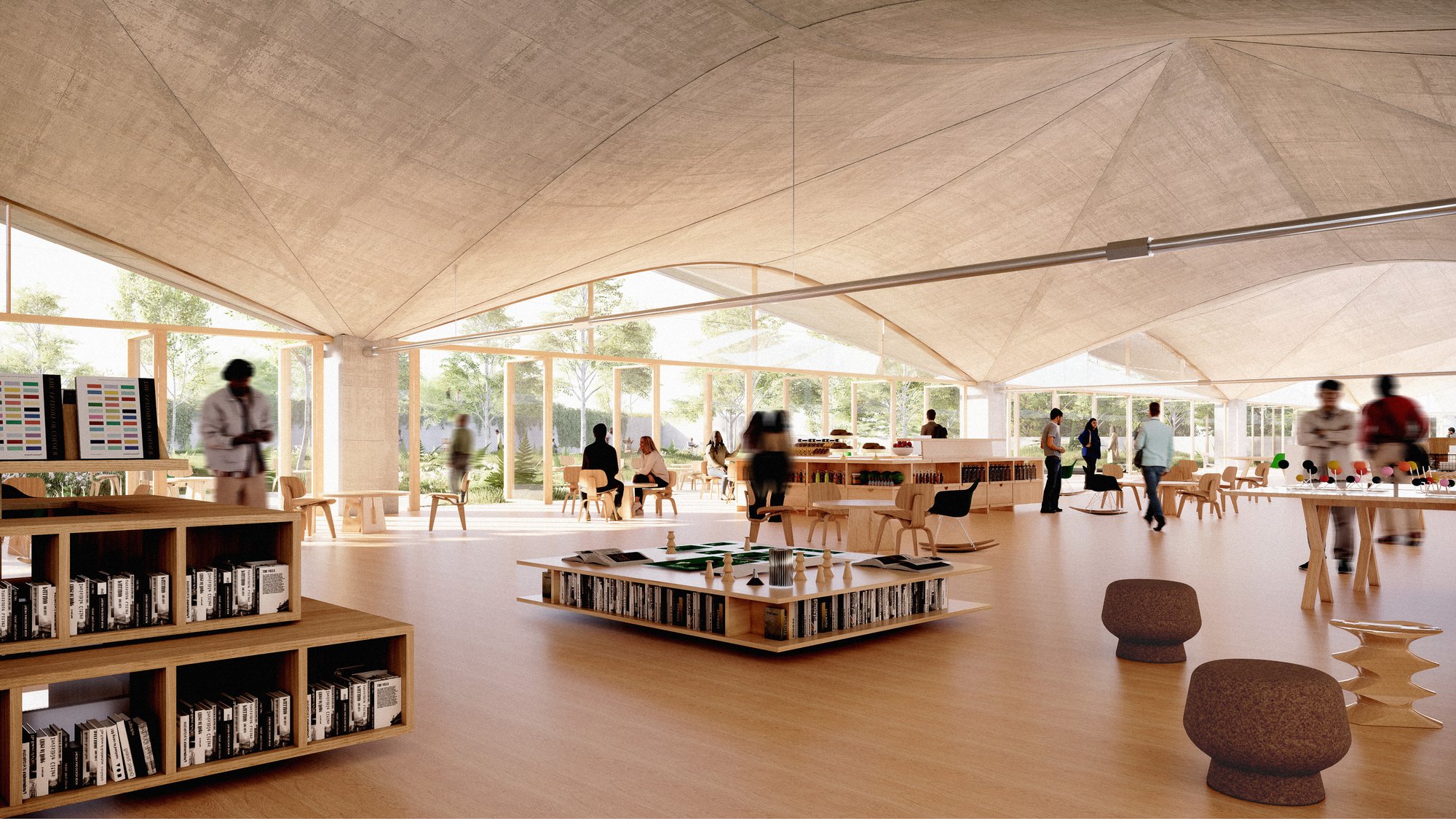
When I walk into a museum, something subtle happens even before I arrive: my pace slows, my breathing deepens, and I begin to adjust to the rhythm of having my every sense be piqued. In that pause—between curiosity and comprehension—imagination stirs.
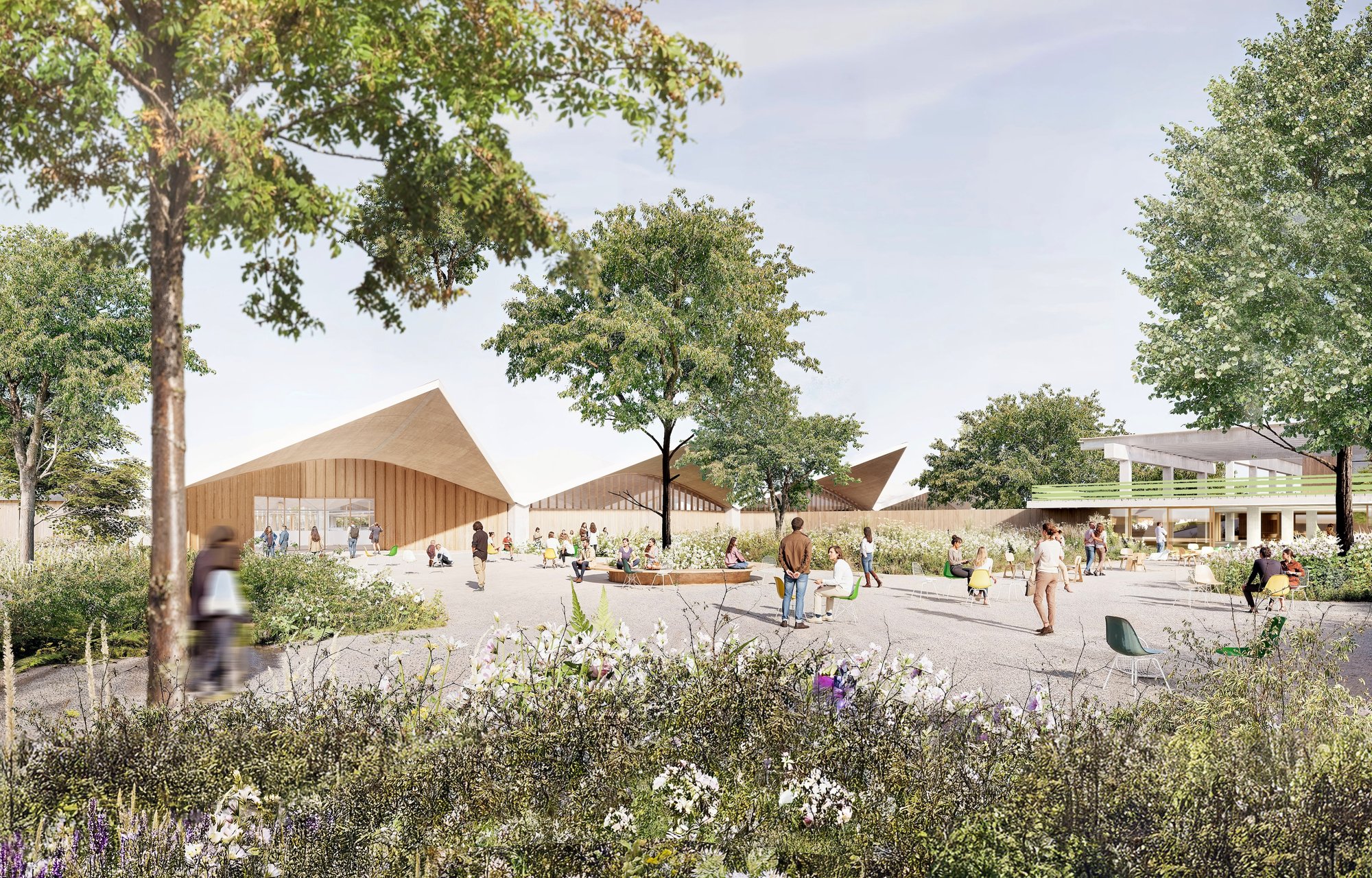
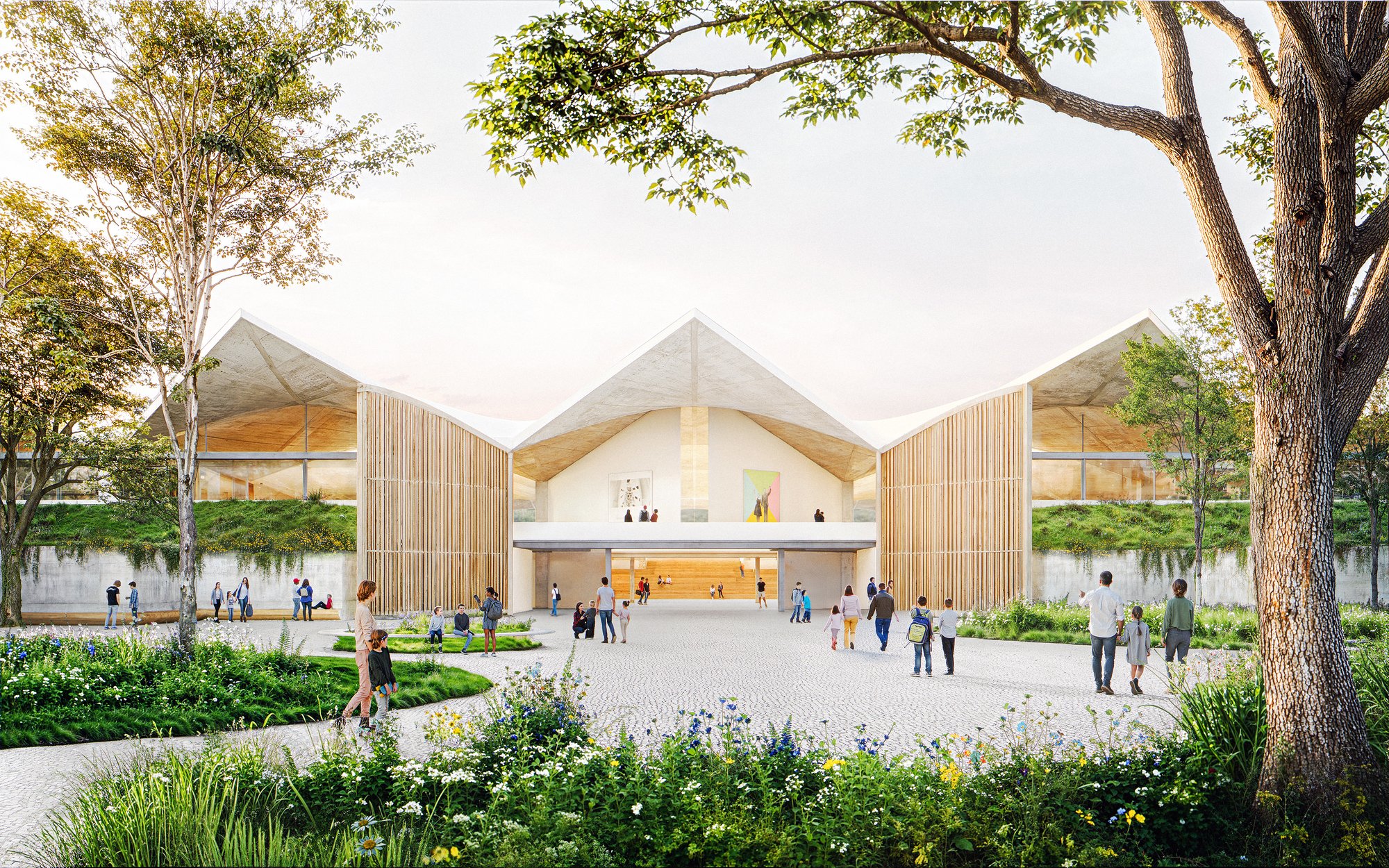
Our future museum, located on the iconic Birkenstock campus in Novato, California, is being created for that moment. It will be a place of awe and wonder, where ideas meet the act of making, and where what has been converges with what is still waiting to be dreamed.
From its earliest conception, we have never envisioned this museum as merely a repository of extraordinary objects. We are designing it as a living organism: an ever-evolving environment where art, design, and human ingenuity intersect to spark what our organization’s namesakes, Ray and Charles Eames, called “chain reactions.” Here, the Eames legacy will radiate outward and forward, forming constellations of connection with designers, artists, and creatives who share a belief that curiosity is the most powerful tool we possess.
The Eameses taught us that the act of design is, at its heart, an act of generosity. They showed us that to design is to care deeply: for form and function, for material and meaning, for people and planet. Their model invites us to see the world as an ecosystem of relationships. It is in that spirit that our museum is taking shape. Here, an architect’s model may rest beside a sculptor’s sketchbook and photos of their family; a digital interface may converse with a handwoven basket; a contemporary artwork might reframe a centuries-old hand tool. What unites them is not medium or era, but mindset—a shared conviction that creativity is both inheritance and responsibility.
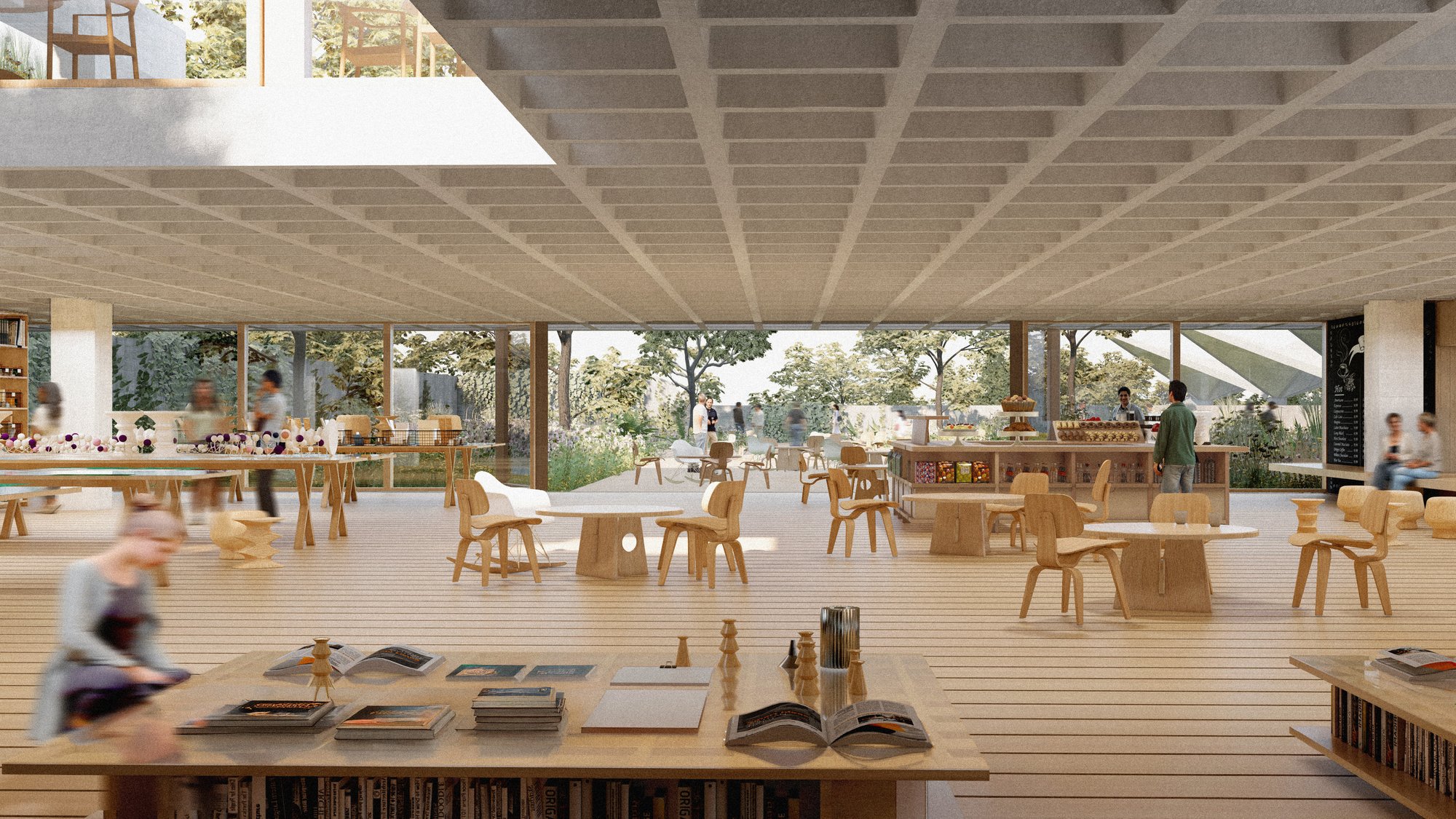
Our ambition is not to define what art and design are, but to explore what they can do: how they move us, challenge us, and remind us of our own agency as makers of meaning. We believe the museum will serve as both compass and catalyst, guiding guests to consider the intricate weave between beauty and utility, curiosity and care.
Within the museum’s galleries, we will trace the lineage of ideas, from the experimental studios of mid-century California to the digital ateliers of tomorrow; from the craftspeople who shaped clay and fiber into daily poetry to the innovators reimagining material itself. We will celebrate the masters and the mentors, the anonymous artisans and the bold visionaries. Each, in their own way, has expanded—and will continue to expand—our understanding of what it means to imagine.
This museum will not be a home for objects alone; it will be a home for inquiry, where we will invite visitors to engage, question, and experiment. We envision workshops where students and makers collaborate, archives that breathe with new research, and installations and exhibitions that evolve through public participation. In every gesture, we aim to honor the Eameses’ model that learning and play are not opposites, but partners in discovery.
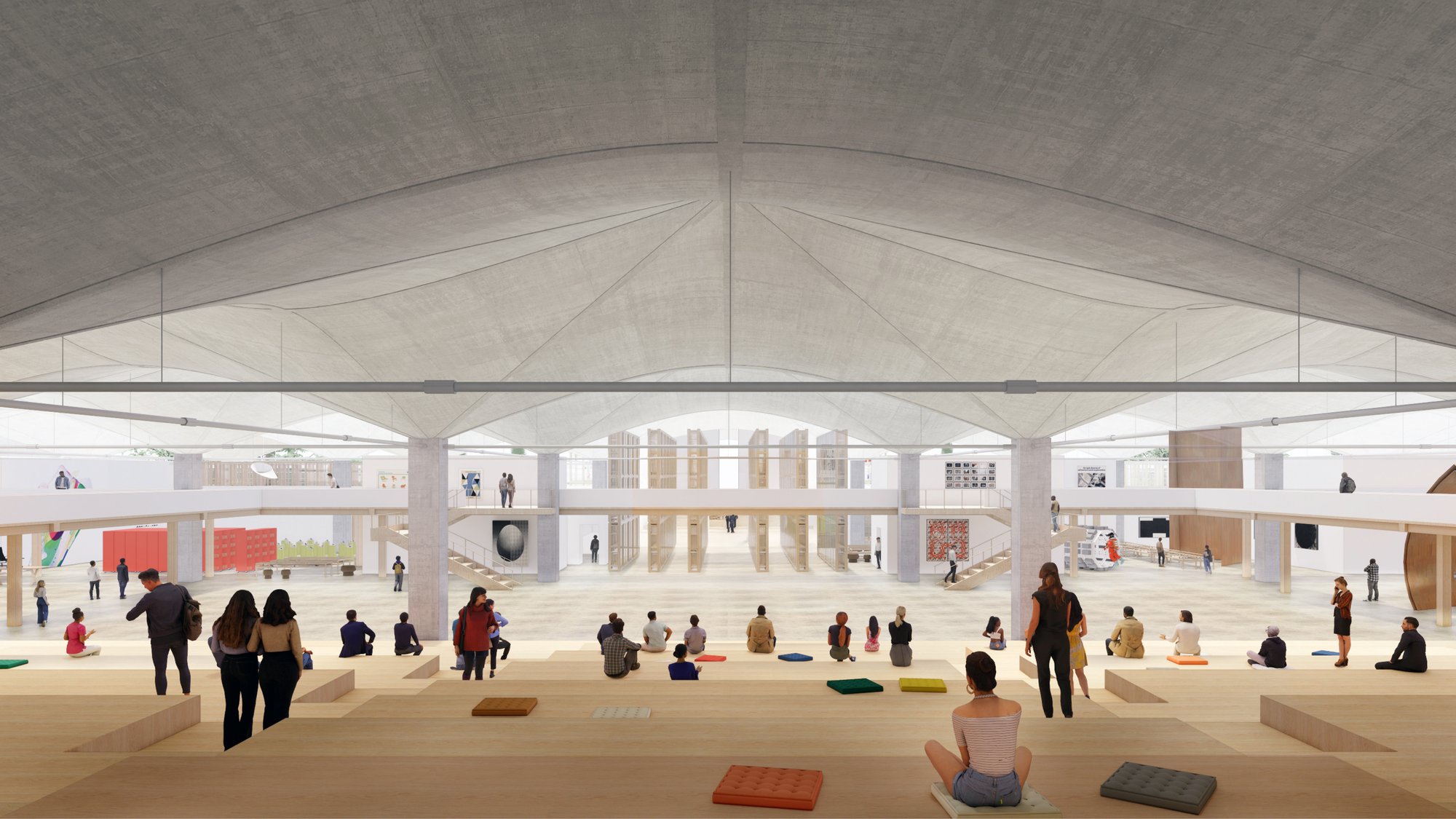
This endeavor acknowledges the complexity of the world that we inhabit and the future we hope to help shape. Design does not exist apart from the urgent questions of our time—it is entwined with them. How might we build sustainably, equitably, and beautifully? How can creativity serve as a force for repair and healing as well as innovation? The answers will not be singular, but the search for them can be shared. We intend to nurture that shared search for answers to these questions, and to create a forum where imagination meets responsibility, and where optimism remains a radical act.

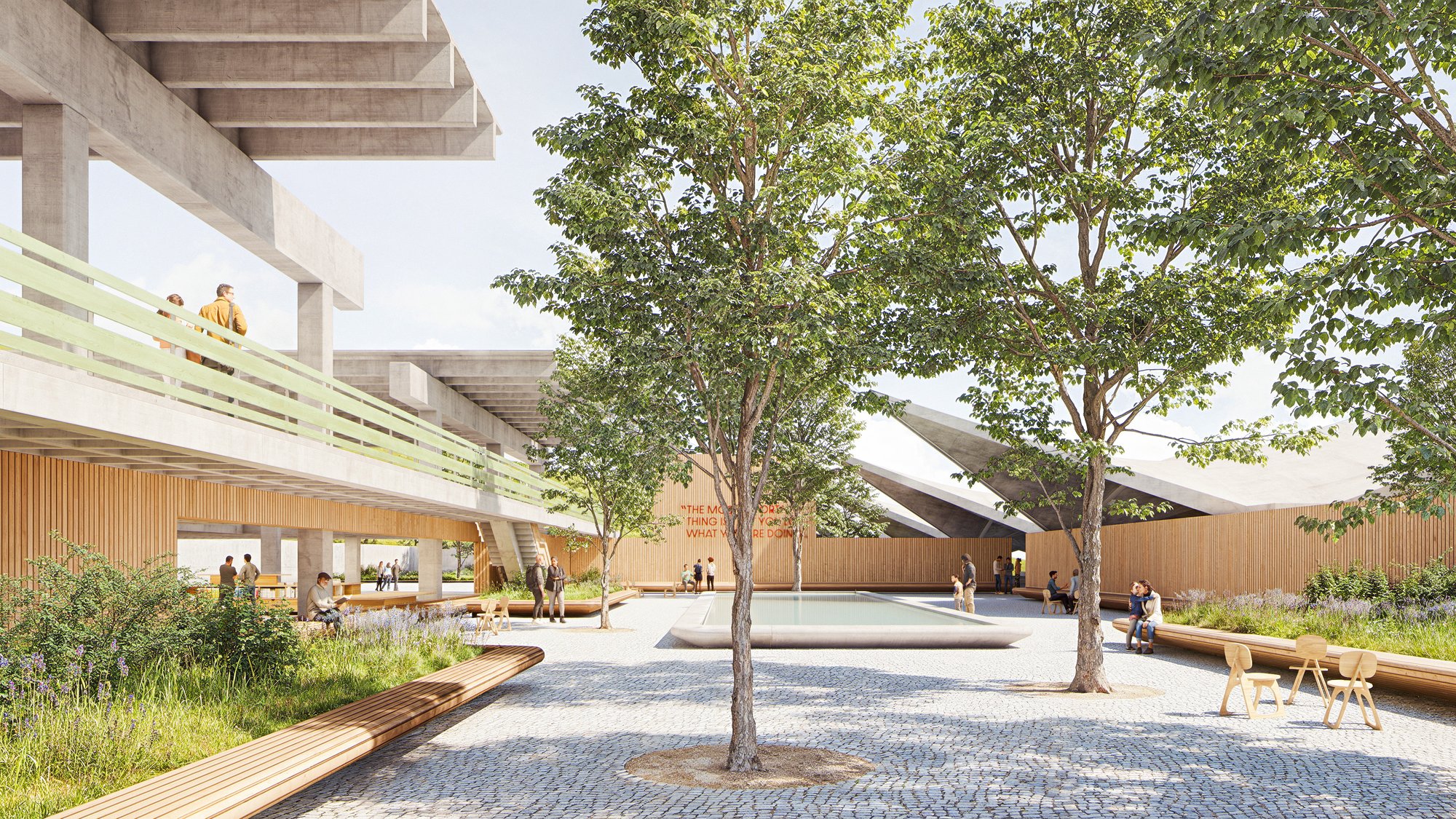
The architecture of the museum itself, being shaped by Herzog & de Meuron, will embody this philosophy. Conceived as a series of interconnected spaces both physical and virtual, with intentional use of light and material, it will encourage connection and conversation. Every detail, from the arrangement of a massive steel sculpture and immersive exhibits to the pathways that lead outside to the golden landscape and bright blue skies, will reflect an invitation to linger, to look closer, to ask, “What if?”
Ultimately, this museum is an offering: to the curious who seek beauty, who question convention, who believe that creativity is not a luxury, but a way of being in the world. It will be a continuation of the Eameses’ enduring message—that the power to see differently, and to make differently, resides in each of us.
Standing before the vast archive that inspired our beginning, we return to a simple truth: the world’s greatest resource is human curiosity. It is the force that guided the Eameses through a lifetime of exploration, that fuels every act of design, and that will continue to shape our collective future. Our museum will honor that force, giving it form, space, and voice, and becoming a home for curious problem-solvers.
We invite you to imagine its halls and holdings with us, to envision drawers of discovery yet to be opened, to trace connections that stretch across centuries and continents, and to expand your sense of possibility. And when our doors open, may you carry with you the conviction that curiosity is infinite—and that the story of art and design, like our shared human story, is still being written. Together, we have hard work and serious play ahead to realize this audacious dream. ❤
At Kazam! Magazine we believe design has the power to change the world. Our stories feature people, projects, and ideas that are shaping a better tomorrow.
John Cary is the founding president & CEO of the Eames Institute of Infinite Curiosity. For seven years, John patiently and persistently pursued the iconic Birkenstock campus as the ultimate home for the Institute and communities of curious problem-solvers. Follow along with our journey at www.eamesinstitute.org/museum